For many New York City property owners, energy compliance is no longer limited to annual benchmarking or long-term carbon planning. NYC Local Law 88 (LL8) introduces two practical requirements that directly affect how large buildings consume and track energy use on a day-to-day basis: lighting system upgrades and tenant electricity sub-metering.
At its core, Local Law 88 requires covered properties to upgrade lighting systems to meet applicable New York City Energy Conservation Code standards and, where applicable, install electrical sub-meters in certain tenant spaces. The goal is to help building owners reduce unnecessary electricity consumption, improve overall energy efficiency, and give tenants clearer insight into their own usage patterns. As the NYC Department of Buildings (DOB) notes, LL88 requires covered buildings to upgrade lighting power allowances and controls, and to install electrical sub-meters in covered tenant spaces.
For owners and managers of commercial, multifamily, and mixed-use buildings, the requirements can feel complex. This guide breaks down who must comply, what the lighting upgrades entail, how the sub-metering requirements work, and how to approach compliance proactively.
Key takeaways
- Local Law 88 applies to NYC buildings over 25,000 square feet, as well as certain groups of two or more buildings on the same tax lot.
- Covered properties must complete required lighting system upgrades and, where applicable, install electrical sub-meters in tenant spaces.
- Covered tenant spaces generally include certain non-residential spaces larger than 5,000 square feet across one or more floors.
- Building owners must provide monthly electrical statements to tenants whose energy usage is tracked through LL88 sub-metering.
- The compliance deadline for buildings that had not yet demonstrated compliance was May 1, 2026.
- Working with a registered design professional, licensed master electrician, lighting consultant, and energy advisor can make compliance more efficient and less disruptive.
What is Local Law 88?
Local Law 88 is one of New York City’s major building energy laws. Frequently discussed alongside benchmarking, energy audits, retro-commissioning, and Local Law 97 (LL97), it sits within the city’s broader effort to reduce carbon emissions from buildings. While the Climate Mobilization Act is perhaps best known for the emissions caps introduced under LL97, LL88 takes a more immediate, building-level approach by targeting operational efficiency directly.
The law centers on two core requirements: lighting upgrades and sub-metering. The lighting component requires covered buildings to modernize their lighting systems in line with updated power allowances and controls. The sub-metering component requires building owners to track electricity consumption in certain tenant spaces, giving tenants greater visibility into their energy usage.
Together, these measures help owners cut energy waste, lower unnecessary operating costs, and develop a clearer understanding of their building’s energy performance.
Which buildings are covered under LL88?
A covered building is generally one that exceeds 25,000 square feet, as determined by Department of Finance records. LL88 can also apply to two or more buildings on the same tax lot that together exceed 100,000 gross square feet. The law also covers two or more buildings held in condominium form of ownership, governed by the same board of managers, that collectively surpass that same threshold. In other words, the law extends well beyond standalone towers. It can affect campuses, condominium associations, and properties held under shared ownership structures.
Several exceptions do apply. Certain one-, two-, and three-family homes are excluded, as are some garden-style apartment buildings that meet specific qualifying conditions. Additionally, neither lighting upgrades nor sub-meter installations are required for dwelling units classified as R-2 or R-3.
What lighting upgrades does LL88 require?
LL88’s lighting upgrade requirements are designed to bring buildings into compliance with current energy code standards. In practice, this typically means replacing outdated fixtures, reducing lighting power density, introducing lighting controls, and transitioning to more efficient systems overall.
Common upgrades include:
- Installing LED lighting
- Replacing inefficient lamps with energy-efficient alternatives
- Adding occupancy sensors
- Upgrading exit signs
- Improving controls in corridors and common areas
- Reviewing exterior lighting
- Addressing tandem wiring where applicable
- Optimizing lighting in lobbies, offices, storage areas, and mechanical rooms
These improvements can significantly reduce energy consumption. As ENERGY STAR notes, lighting is one of the largest electricity loads in commercial buildings, and LED technology can match the brightness of traditional bulbs while consuming far less energy.
For residential buildings and multifamily residential buildings, the scope typically focuses on shared and common spaces rather than individual units. This may include lobbies, hallways, stairwells, laundry rooms, amenity spaces, basements, and service areas. For non-residential buildings, the review is broader because commercial and tenant spaces may also fall within the upgrade requirements.
A professional lighting audit is often the best place to start. It can pinpoint outdated fixtures, overlit areas, excessive wattage, inadequate controls, and areas where better lighting technology could improve energy efficiency without compromising safety or comfort.
What are LL88’s sub-metering requirements?
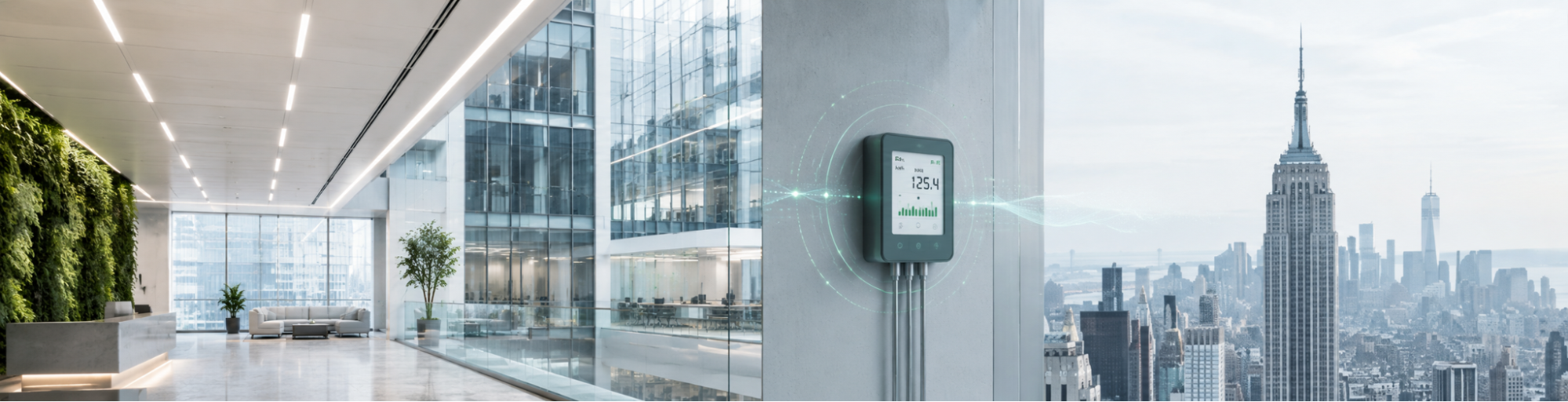
The second part of the NYC Local Law 88 addresses electrical sub-metering for certain tenant spaces. The goal is straightforward: make electricity use more visible and hold tenants accountable for their own consumption.
A covered tenant space generally refers to any space exceeding 5,000 gross square feet on one or more floors of a covered building, leased to a single tenant. It also includes floors larger than 5,000 gross square feet that are divided among two or more different tenants.
For these spaces, building owners must install sub-meters unless the space already has a dedicated meter. Starting January 1, 2025, the electrical consumption of each covered tenant space must be tracked by one or more sub-meters, and tenants must receive monthly usage statements as outlined in the code. In simple terms, LL88 requires owners to install electrical sub-meters so that non-residential tenants can monitor their own energy use, rather than relying solely on whole-building totals.
How sub-metering works in tenant spaces
In some buildings, the setup is simple. Each covered tenant has its own sub-meter. In others, the configuration is more complex, particularly in buildings with multiple non-residential components or several commercial tenants sharing a floor.
Depending on the building, owners may use:
- An individual meter for each covered tenant space
- A shared sub-meter for multiple tenants on the same floor
- A shared sub-meter covering an entire floor
Where a single meter serves an entire floor, boards and property teams should document how tenant statements are generated and how charges are calculated. The goal is to maintain transparency around energy use, even when several tenants share the same electrical infrastructure.
Owners are also required to provide monthly electrical statements reflecting each tenant’s actual consumption, based on sub-meter readings. This matters because tenants are far more likely to adjust plug loads, equipment schedules, and energy habits when they can see exactly how much electricity they are using.
Why LL88 matters beyond compliance
It’s tempting to treat LL88 as a box-ticking exercise, but that approach misses an opportunity to achieve measurable energy savings through data analysis, lighting upgrades, and sub-metering.
Modern lighting systems can reduce energy consumption, improve visibility, support safety, and lower long-term maintenance needs. Sub-metering, meanwhile, helps owners and tenants identify abnormal usage, after-hours waste, and spaces that consistently draw more power than expected.
The findings are often illuminating. A tenant might discover that equipment runs overnight in an empty office. A building manager might find that common-area lighting schedules are out of step with actual occupancy. A retail space might reveal higher-than-expected cooling loads driven by excess heat from inefficient lighting. These details make it easier to reduce energy waste and prioritize practical efficiency upgrades.
For building owners, LL88 compliance can also strengthen broader energy planning. Lower energy consumption may improve benchmarking scores, reduce operating costs, and lay the groundwork for meeting future emissions requirements.
Who can certify LL88 work?
According to the NYC DOB, lighting upgrades and sub-meter installations must be certified by either a registered design professional or a licensed master or special electrician who can confirm that the work meets NYCECC technical standards.
In practice, many building owners assemble a small team of specialists, which may include a lighting consultant, an engineer, an energy consultant, an electrician, and a property manager. A licensed master electrician may be needed when the scope of work involves electrical distribution, tenant panels, or meter installation.
The right team can help owners avoid common pitfalls such as missing tenant spaces, overlooking lighting controls, failing to document existing exemptions, or installing equipment that doesn’t meet code requirements.
When is the LL88 compliance deadline?
For the filing year 2026, the NYC DOB requires owners of buildings covered by Local Law 88 of 2009 (as amended) that have not yet demonstrated compliance to submit a compliance report by May 1, 2026. Filing fee payments are also required for all 2026 LL88 report submissions and must be made through DOB NOW: Safety.
The DOB’s LL88 page notes that the 2026 covered building list reflects DOB records for all buildings required to file under Local Law 88, though only those that have not yet demonstrated compliance are required to file this cycle.
Compliance reports generally include attestations of compliance, a full list of covered tenant spaces, and a sample monthly statement from each tenant or sub-meter where required. Under NYC Rule 1 RCNY §103-18, penalties for noncompliance include a $1,500 annual penalty for failing to file the lighting upgrade report, a $1,500 annual penalty for failing to file the sub-metering report, and an additional $500 for each covered tenant space where a required sub-meter has not been installed.
How building owners should prepare for LL88 compliance
Before ordering fixtures or scheduling electrical work, building owners should confirm whether the property is covered, which spaces are included, and whether existing lighting or metering conditions meet the law.
A practical LL88 plan should include:
- Confirming whether the property is a covered building
- Reviewing all tenant spaces and leases
- Identifying covered and exempt areas
- Performing a lighting audit
- Reviewing current panels, meters, and tenant distribution
- Planning required sub-meter installations
- Identifying lighting controls and fixture upgrades
- Coordinating work around tenants
- Preparing documentation for filing
Owners of commercial buildings, multifamily buildings, and mixed-use buildings should also connect LL88 planning into broader energy planning. A lighting upgrade should not happen in isolation. It should support benchmarking, utility cost management, carbon planning, tenant comfort, and long-term asset performance.
If your building needs support with LL88 compliance, lighting upgrade planning, sub-metering strategy, or broader energy performance improvements, partner with Greenwich Energy Solutions. Our team can help you evaluate requirements, reduce energy waste, and move toward smarter, more efficient operation.